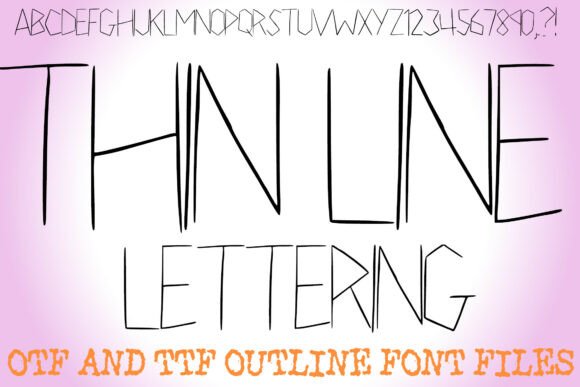
Thin Line Lettering Font for Professional Branding
As a small business owner, I know how important it is to create a consistent and professional brand presence. That’s why I’ve turned to Thin Line Lettering—a display font that brings a sophisticated, minimalist look to every piece of my business material. Its ultra-fine, needle-thin strokes and sharp, angular silhouettes make it ideal for branding, marketing, and packaging design. Whether you're launching a new product or refining your visual identity, Thin Line Lettering offers the perfect balance of elegance and clarity.
Thin Line Lettering for Logo Design and Brand Identity
When building a brand, the right font can make all the difference. Thin Line Lettering is a powerful tool for creating logos that feel modern, clean, and memorable. Its minimalism gives it a timeless appeal, making it suitable for everything from tech startups to artisanal brands. Using this font as a logo typeface helps establish a strong visual identity that stands out without being overwhelming. It works especially well when paired with a simple, neutral background, allowing the font to take center stage.
For example, a boutique clothing line could use Thin Line Lettering for its logo to convey a sense of refinement and attention to detail. The same font could be used on product tags, packaging, and even social media avatars to maintain a cohesive look across all customer touchpoints.
Thin Line Lettering for Product Labels and Packaging Design
One of the most practical uses of Thin Line Lettering is in product labeling and packaging design. Its fine lines and sharp edges make it ideal for small text on labels, ingredient lists, or product descriptions. Whether you’re selling handmade soaps, gourmet snacks, or custom jewelry, this font adds a touch of sophistication that elevates the overall presentation.
Consider a candle brand that wants to highlight its natural ingredients. Using Thin Line Lettering on the label can create a clean, elegant look that appeals to eco-conscious consumers. The font also works well on digital product listings, where it can draw attention without clashing with other design elements.
Thin Line Lettering for Social Media Graphics and Website Banners
In today’s digital-first world, a strong online presence is essential. Thin Line Lettering is perfect for social media graphics, website banners, and email headers. Its bold yet delicate structure makes it highly readable on mobile screens, ensuring your message is clear and visually appealing.
For instance, a fitness coach might use this font in Instagram posts to highlight key phrases like “Daily Motivation” or “Healthy Living.” On a website, it can be used for headlines or call-to-action buttons, adding a modern aesthetic that aligns with the brand’s image. The font’s versatility allows it to work well alongside other design elements, making it a valuable addition to any creative toolkit.
Thin Line Lettering for Business Cards and Marketing Materials
Business cards are often the first impression a client has of your brand. Thin Line Lettering ensures that your contact information looks professional and polished. Its clean lines and minimalist style make it easy to read, even at small sizes. This is especially useful for business cards that have limited space but still need to convey a strong visual identity.
Marketing materials like flyers, brochures, and postcards can also benefit from this font. For a café owner, using Thin Line Lettering on a menu or promotional flyer can create a refined, inviting atmosphere. The font’s angular shapes add a sense of energy and precision, making it ideal for businesses that want to communicate both creativity and professionalism.
Thin Line Lettering for Website Copy and Digital Ads
While Thin Line Lettering excels as a display font, it can also be used effectively in website copy and digital ads. When paired with a more readable sans serif font, it can serve as an accent or headline font that draws attention without sacrificing legibility. This combination is particularly useful for landing pages, product pages, or ad campaigns where visual hierarchy is key.
For an online shop, using Thin Line Lettering in headlines or section titles can help break up content and guide the reader’s eye. It also works well in banner ads, where its sleek design catches the eye and reinforces the brand’s aesthetic. Just be sure to test the font at different sizes to ensure it remains clear and effective across all platforms.
Thin Line Lettering for Custom Stickers and Promotional Items
Custom stickers and promotional items are great for building brand recognition. Thin Line Lettering is perfect for these applications, as it maintains its clarity and style even when printed in small sizes. Whether you’re creating a sticker for a coffee cup, a notebook cover, or a branded tote bag, this font adds a level of sophistication that sets your products apart.
A handmade soap brand, for example, could use Thin Line Lettering on stickers to promote their products at local markets. The font’s sharp edges and minimal lines give the stickers a modern, premium feel that resonates with customers looking for quality and style.
Thin Line Lettering for Event Invitations and Thank-You Cards
For entrepreneurs who host events or send out thank-you notes, Thin Line Lettering offers a stylish way to elevate written communication. Its elegant appearance makes it ideal for wedding invitations, conference programs, or personalized thank-you cards. The font’s fine strokes and angular shape add a sense of formality and thoughtfulness, making it a great choice for professional and personal correspondence alike.
Whether you’re sending a thank-you note to a client or designing an event invitation, using Thin Line Lettering can help reinforce your brand’s personality and commitment to quality. It’s a subtle but powerful way to leave a lasting impression.
Thin Line Lettering for Digital Art and Creative Projects
Graphic designers, illustrators, and artists can also benefit from using Thin Line Lettering in their creative projects. Its clean, modern look makes it ideal for illustrations, posters, and digital art pieces that require a refined, minimalist aesthetic. The font’s sharp angles and thin lines add visual interest without overpowering the composition.
For an independent creator, incorporating Thin Line Lettering into a digital art portfolio or social media feed can help establish a cohesive and professional brand image. It’s a versatile choice that works well with a variety of color schemes and design styles.
Thin Line Lettering for Brand Consistency Across All Touchpoints
Consistency is key when building a strong brand. Thin Line Lettering helps ensure that your business looks professional and recognizable across all materials—whether it’s a logo, a business card, a website, or a social media post. By using the same font throughout your brand assets, you create a unified visual language that strengthens customer trust and brand recall.
As a small business owner, I’ve found that using Thin Line Lettering consistently across my branding materials has made my business feel more polished and intentional. It’s a simple change that has had a big impact on how my brand is perceived by customers and partners alike.